How does the Fruit and Vegetable Sector contribute to Food and Nutrition Security?
Contribution to Food and Nutrition Security The development of the fruit and vegetable sector in developing countries has a positive impact on the Food and


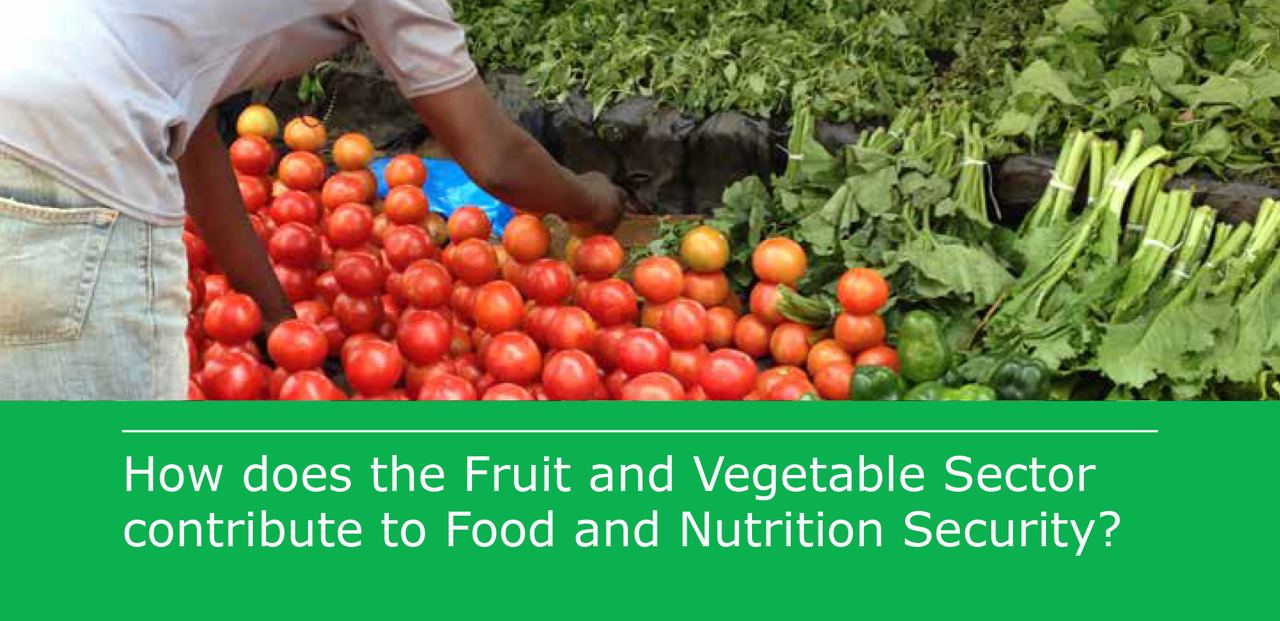
Contribution to Food and Nutrition Security The development of the fruit and vegetable sector in developing countries has a positive impact on the Food and

The total area for legume farming is estimated to be 1.9 million hectares. Of this, 97% is covered by smallholder farmers. Commercial legume farming is
Ethiopia is where Noug is originated and is the main exporter of it to the US and EU mainly for bird feed. It is produced
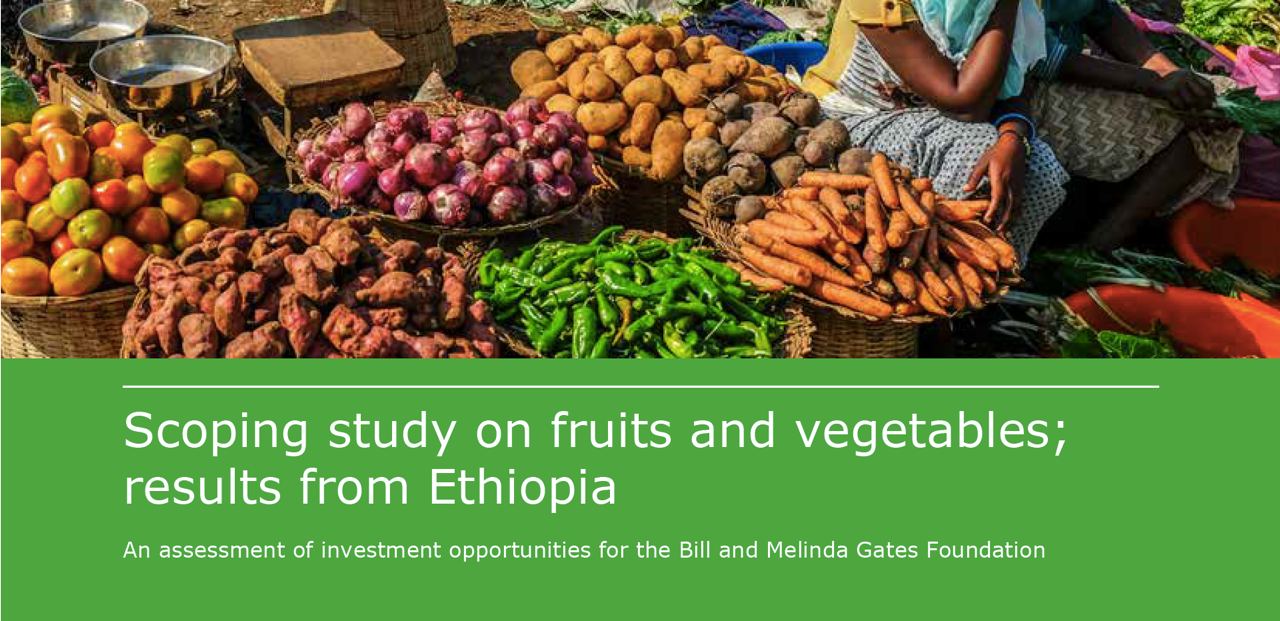
The world’s population is expected to increase by 2 billion persons in the next 30 years, from 7.7 billion currently to 9.7 billion in 2050.
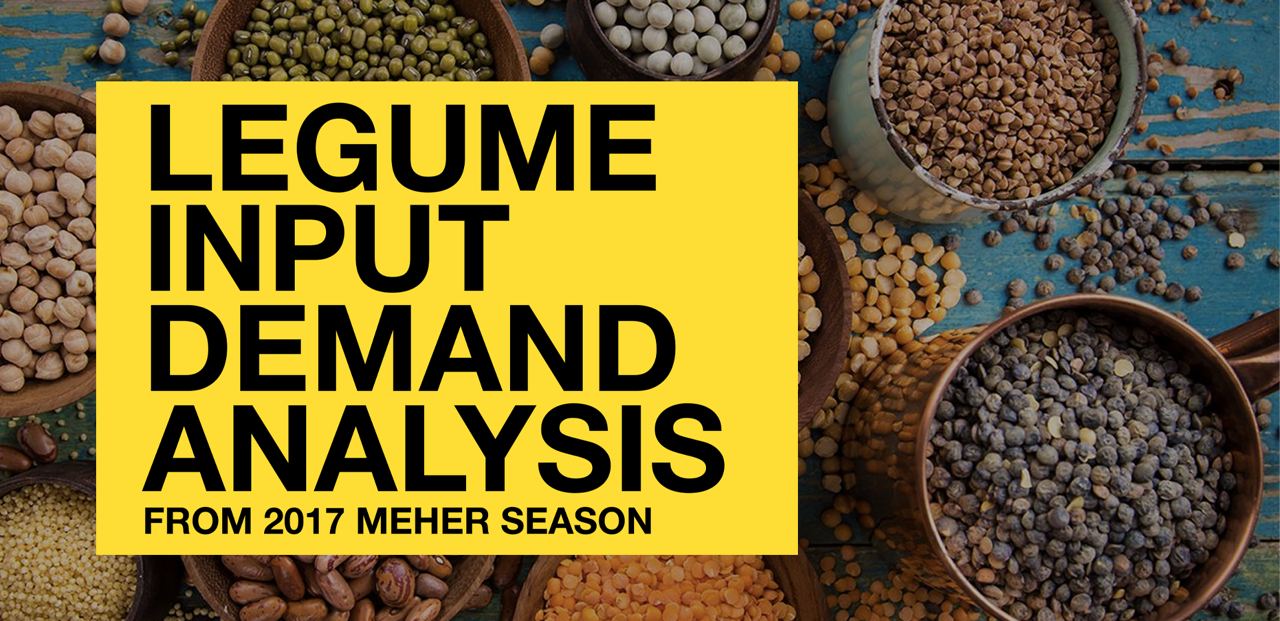
Published by N2Africa under putting nitrogen fixation to work for smallholder farmers in Africa project. According to World Bank (2016) data Agriculture accounts for 37.23%

Ethiopia grows over 23 culinary and aromatic herbs and over 100 medicinal herbs that are currently on use at commercial scale. The annual production of

Sesame is an important export commodity for Ethiopia. Over the last five years, the country exported close to 2 billion USD worth of Sesame in
The market for gum Arabic, Gum Olibanum and Myrrh, major gum and resin supply from Africa, is estimated to be USD 950 million. The annual
The Oromia Regional State produced 42% of the total national horticultural products in 2013. The diverse agroecology, large surface and ground water potential and highly
Introduction The landscaping study investigates eight (non-fodder) legume value-chains in Ethiopia, namely: chickpea, faba bean, field pea, grass pea, groundnut, haricot beans, lentils and soybean.